

Understanding Trading Losses
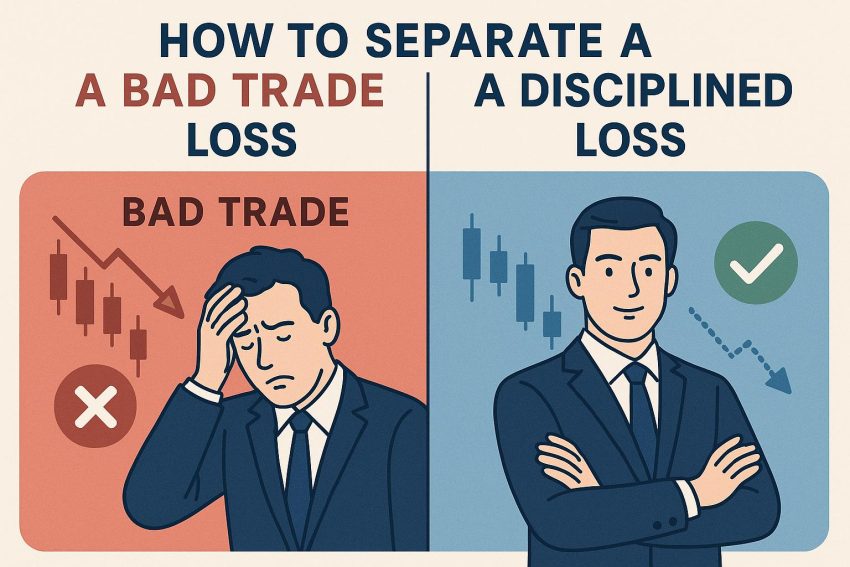
Financial trading in modern markets offers significant potential for both profits and setbacks. Anyone stepping into this realm must appreciate that losses are an integral segment of the trading journey. Differentiating between a genuinely misguided trade and a methodically accepted loss is essential for sustainable growth and success in trading. This ability to discern aids traders in honing their strategies and making better-informed decisions.
Defining a Bad Trade
A trade is often labeled as bad when it stems from impulsive choices driven by emotions rather than insights and preparation. Such trades typically arise from deviations from an established trading plan. It can also be attributed to reactions influenced by losses, overconfidence in one’s expectations, or ignoring foundational analysis tools, whether they are technical or fundamental.
Signs of a Bad Trade
In essence, a trade fits the category of a bad one if it lacks adequate background analysis or is based on scant information. Decisions swayed by emotions such as fear or greed can seriously undermine the trading outcome. Repeatedly falling into this pattern signals a need for improved discipline and refinement in one’s trading approach.
Examples of Emotional Decisions
Trading from a place of fear often leads to hasty exit decisions without considering possible rebounds or the overarching strategy. On the opposite end, greed might push traders to overstake in hopes of larger returns without regard for potential outcomes. Ignoring market indicators and data due to overconfidence can also result in unfavorable decisions.
Recognizing a Disciplined Loss
In stark contrast, a disciplined loss forms an accepted consequence within an informed and tested trading strategy. Despite thorough planning and consideration, losses can occur due to market unpredictability or unforeseen developments. Such losses are acceptable, provided they adhere to specified risk management approaches and align with strategic guidelines.
Characteristics of a Disciplined Loss
A disciplined loss distinctively adheres to a trading plan, embraced by using stop-loss orders and other risk controls. These trades are products of sound research and insightful analysis, where the trader is conscious of and has factored in the inherent risks attached to the trade in question.
The Importance of Risk Management Tools
Risk management tools like stop-loss orders are crucial. Stop-loss orders are pre-set instructions that automatically sell a trader’s position when the price drops to a specific level, thereby limiting potential losses. Such tools are fundamental in ensuring that trades are conducted within a risk-aware framework.
Key Steps to Differentiate Bad Trades from Disciplined Losses
Identifying the nature of a loss, whether from a bad trade or a disciplined one, involves crucial evaluation steps.
Pre-trade Planning: It’s essential to consider if the trade was approached with a coherent plan outlining entry, exit points, and stop-loss levels. Effective pre-trade planning is critical in eliminating decisions driven by emotions.
Risk Management: A critical question is whether the trade adhered to a solid risk management strategy. Utilizing tools like stop-loss orders ensures that all trading activities are underpinned by a framework addressing risk.
Emotional Restraint: The degree to which emotions influenced the trade must be assessed. Emotional trading diverts from a disciplined strategy and can derail objectives.
Post-trade Analysis: Thorough evaluation of each trade—gains and losses alike—is important to verify alignment with the intended strategy. This continuous reflection aids in refining future trading decisions.
Reflecting on Trade Outcomes
Analyzing trades post-completion allows traders to determine the effectiveness of their strategy and any emotional interferences. For instance, regularly revisiting losing trades to understand what went wrong and successful trades to delineate what worked enhances decision-making processes.
Conclusion
Effectively differentiating between a bad trade and a disciplined loss is a crucial skill for any trader aspiring for long-term achievement. Ongoing awareness and comprehensive analysis of past trades empower traders to learn from missteps and enhance their trading tactics. With a focus on disciplined trading methodologies and rigid emotional management, traders can not only reduce the occurrence of bad trades but also adeptly handle unavoidable losses. For further exploration of trading strategies and associated risk management practices, a multitude of online resources can be consulted.
Final Thoughts on Improving Trading Disciplines
The journey towards improved trading practices is continuous. Traders benefit from adapting to changing market conditions, staying informed with current trends, and seeking educational resources. Mastery in trading is not about eliminating losses but managing them wisely while capitalizing on informed, strategic decision-making.