

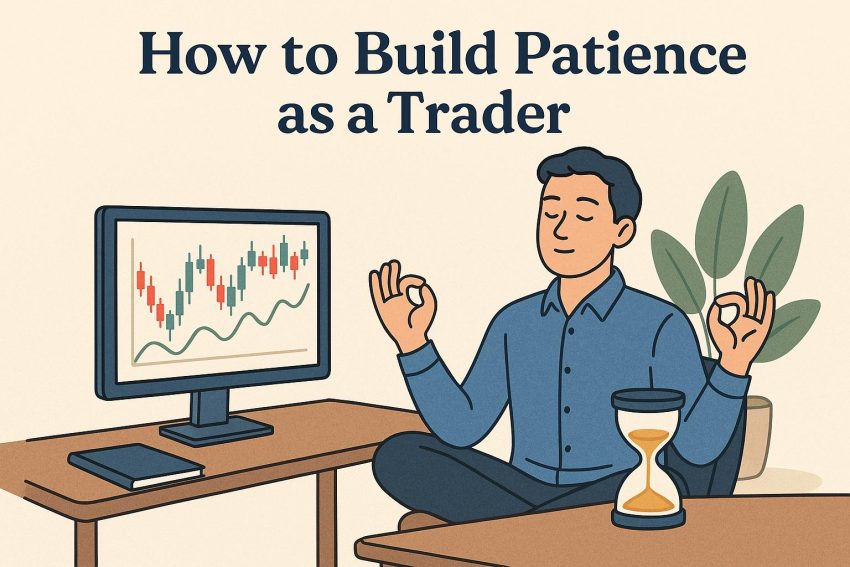
Understanding Patience in Trading
In the often unpredictable and volatile realm of trading, patience emerges as not simply a virtue but an essential component for achieving success. Unlike other fields where quick decision-making might lead to positive outcomes, trading demands a careful and thoughtful approach. The markets can be subject to wild swings and market participants must possess the fortitude to remain calm and make measured decisions. Patience in trading is about the discipline to wait for the ideal circumstances rather than making hasty decisions based on immediate reactions or impulses.
Recognizing the Importance of Timing
Timing is an integral aspect of trading that can make the difference between success and failure. It is not merely about acting promptly but about acting wisely. Both premature actions and missed opportunities can have significant negative impacts on a trader’s performance. Those who find success in trading have learned to respect the market’s inherent rhythms and timings. They realize that the market operates on its own schedule, often independent of external pressures. As such, effective timing in trading requires a deep understanding of market trends, historical data, and external economic factors. This knowledge allows traders to make entries and exits from the market at the most opportune moments.
Developing a Strategic Approach
A strategic approach is indispensable for any trader looking to sustain success. Developing a strategy involves more than just setting goals; it means creating a comprehensive, detail-oriented plan that guides all trading activities. Traders who thrive often start by setting realistic goals that are both challenging and attainable. It’s crucial to understand what one hopes to achieve and to set these targets with a clear mindset. The next step involves formulating a trading plan, which serves as a roadmap. This plan should be comprehensive, covering aspects such as entry and exit points and risk management strategies. The details incorporated within a trading plan should reflect both the trader’s style and the current market conditions, allowing for flexibility yet maintaining consistency in the approach.
Implementing Risk Management Techniques
Risk management serves as the foundation for maintaining patience within the trading process. The implementation of varied techniques can help mitigate potential losses and protect existing investments. Techniques such as the use of stop-loss orders, which automatically close out a position when it falls to a predetermined price, are indispensable for traders. These mechanisms act as a psychological cushion, affording the trader the confidence and security to wait for the right trading opportunities without fear of excessive loss. Proper risk management can encourage traders to remain patient, as they understand their potential losses are capped, allowing them to focus on making the best possible trading decisions.
Emphasizing Continuous Learning
The trading landscape is dynamic and constantly evolving; hence, continuous learning is a key aspect of patience. Staying informed about the latest market trends, economic developments, and innovative financial technologies is crucial. This constant flow of information enriches a trader’s perspective, enabling more calculated and patient approaches to trading. Engaging with educational content, attending seminars, or participating in trading forums can provide fresh insights and knowledge. Additionally, connecting with experienced traders offers the chance to learn from seasoned perspectives, enhancing one’s own trading strategies. Continuous learning fosters a deeper understanding of market mechanics, making it easier to exercise patience when needed.
In conclusion, cultivating patience as a trader involves a multifaceted approach to understanding market dynamics, adopting strategic and disciplined planning, effectively managing risks, and committing to ongoing education. Each of these elements plays a critical role in shaping a patient and well-informed trader. By focusing on these core areas, traders can refine their decision-making capabilities, embracing patience as a strategy for enhancing their overall performance and achieving sustained success in the competitive trading environment. This disciplined approach can minimize emotional responses to market volatility, leading to more rational, objective trading decisions. As traders continue to develop these skills, patience becomes not just a preferred trait but a natural, integral part of their trading philosophy.