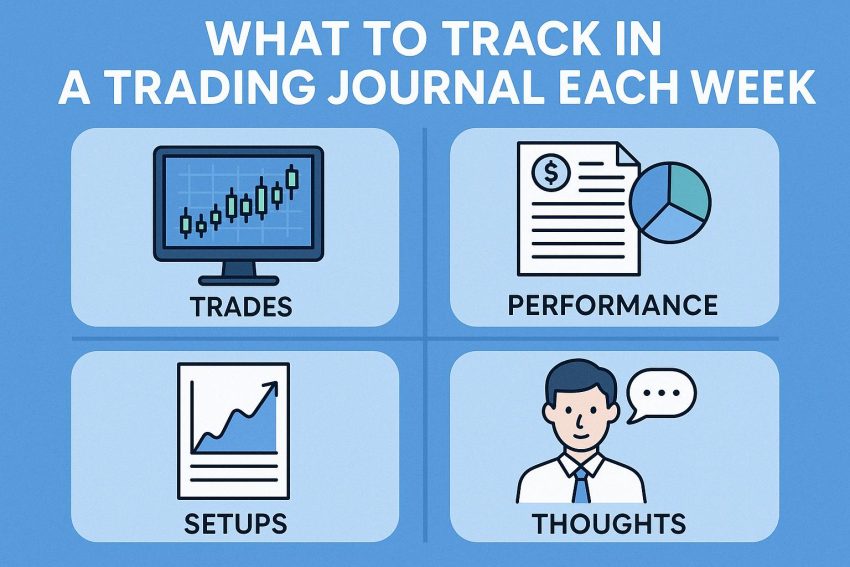
Understanding the Importance of a Trading Journal Keeping a trading journal is a fundamental practice for both novice and experienced traders. It serves as a record of trades and strategies, helping traders learn from past experiences and improve future performance. By maintaining a detailed journal, you can objectively evaluate your trading activities and make informed…
Author: admin
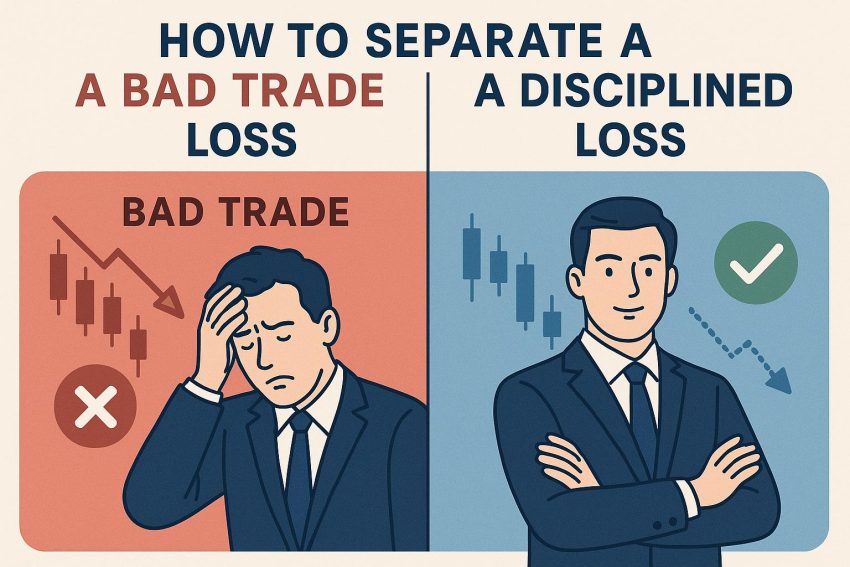
How to separate a bad trade from a disciplined loss
Understanding Trading Losses Financial trading in modern markets offers significant potential for both profits and setbacks. Anyone stepping into this realm must appreciate that losses are an integral segment of the trading journey. Differentiating between a genuinely misguided trade and a methodically accepted loss is essential for sustainable growth and success in trading. This ability…
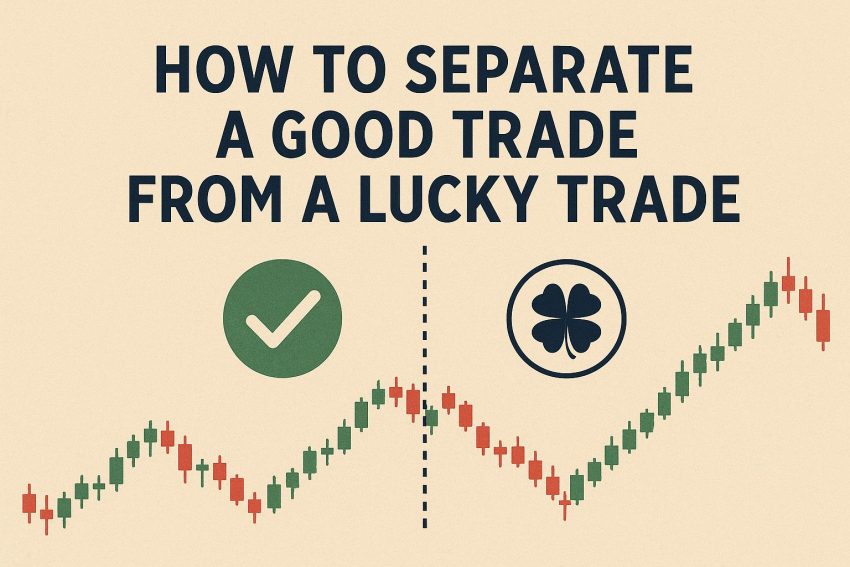
How to separate a good trade from a lucky trade
Understanding the Difference Between a Good Trade and a Lucky Trade In the world of trading, discerning between a good trade and a lucky trade is a fundamental skill for achieving long-term success and sustainability. Although this distinction can sometimes be subtle, understanding it is crucial for creating and executing effective trading strategies. This article…
What expectancy means in plain English
Understanding Expectancy in Plain English In everyday language, expectancy refers to the anticipation or belief that something will happen. It involves the consideration of future events based on certain indicators or probabilities. Whether discussing life expectancy, which measures the average time an individual is expected to live, or project outcomes, expectancy plays a crucial role…
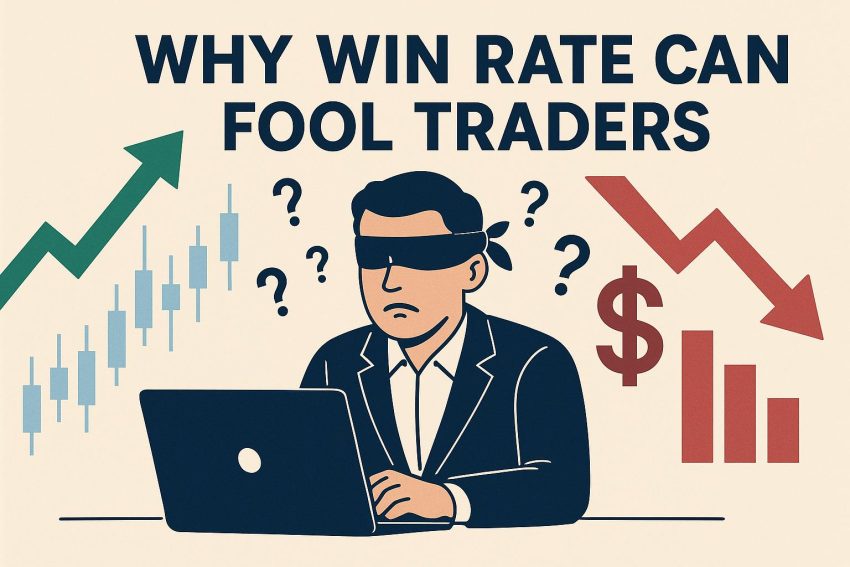
Why win rate can fool traders
Understanding Win Rate in Trading In the world of trading, win rate is a commonly referenced metric that often attracts attention due to its simplicity. Defined as the percentage of trades that result in a profit, win rate ostensibly offers a straightforward measure of a trader’s skill. However, it’s crucial to understand why relying solely…
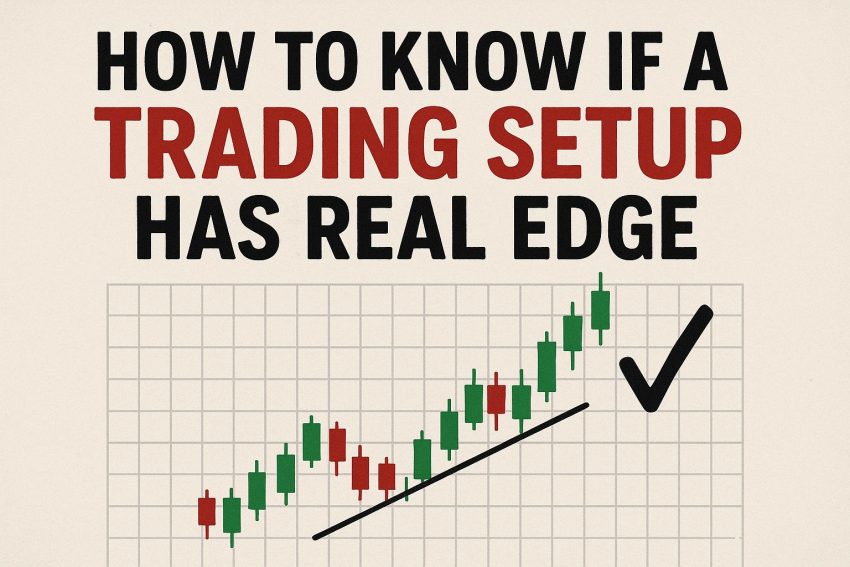
How to know if a trading setup has real edge
Understanding Trading Edge In the world of trading, a foundational principle for any serious trader is the recognition of a genuine edge within their trading strategy. A trading edge denotes a distinct advantage that allows a trader’s approach to the markets to consistently outperform the averages. Operating without a defined edge implies that a trader…
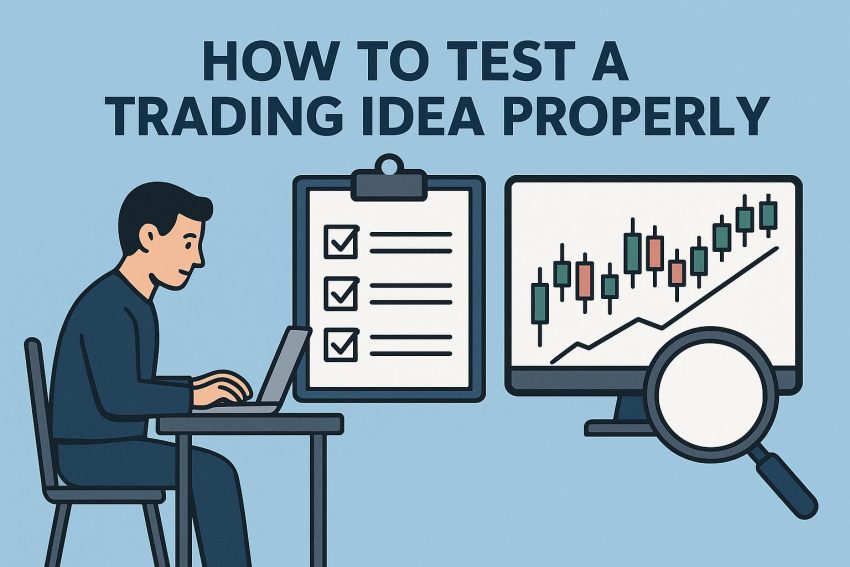
How to test a trading idea properly
Introduction to Testing a Trading Idea In the realm of financial markets, developing a trading strategy that withstands the test of time is essential for long-term success. Many aspiring traders have innovative ideas, but without proper testing, these hypotheses remain unverified. This article delves into the structured approach required to test a trading idea properly….
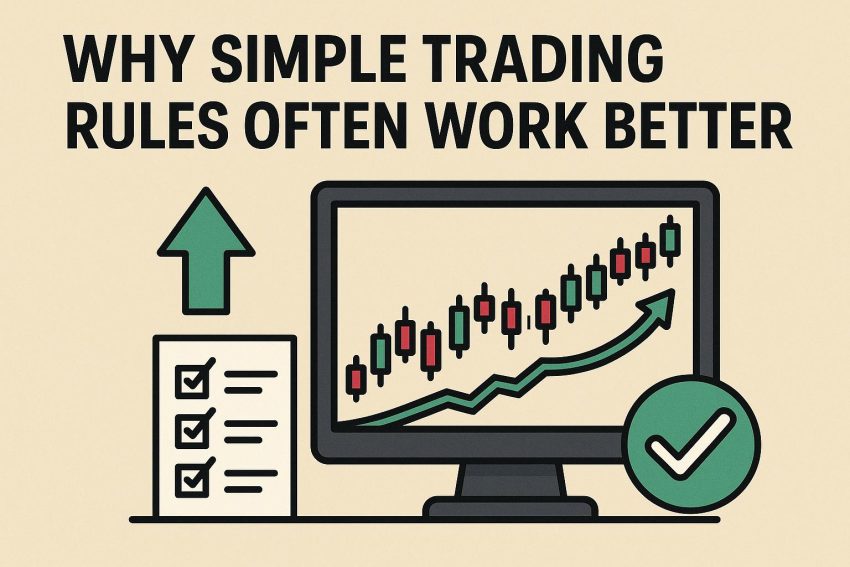
Why simple trading rules often work better
Understanding the Efficiency of Simple Trading Rules In the dynamic world of financial markets, traders are constantly seeking the most effective strategies to achieve optimal results. Despite the complexity and allure of intricate algorithms and high-frequency trading systems, simple trading rules continue to hold significant value within the trading community. Interestingly, these straightforward approaches sometimes…
How to spot high quality setups more often
Understanding High-Quality Setups High-quality setups are crucial for success in various fields, including trading, photography, and even event planning. Recognizing these setups can significantly enhance outcomes by optimizing conditions for success. This article provides practical insights into recognizing high-quality setups with the aim of increasing productivity and results. Identifying Key Features of a High-Quality Setup…
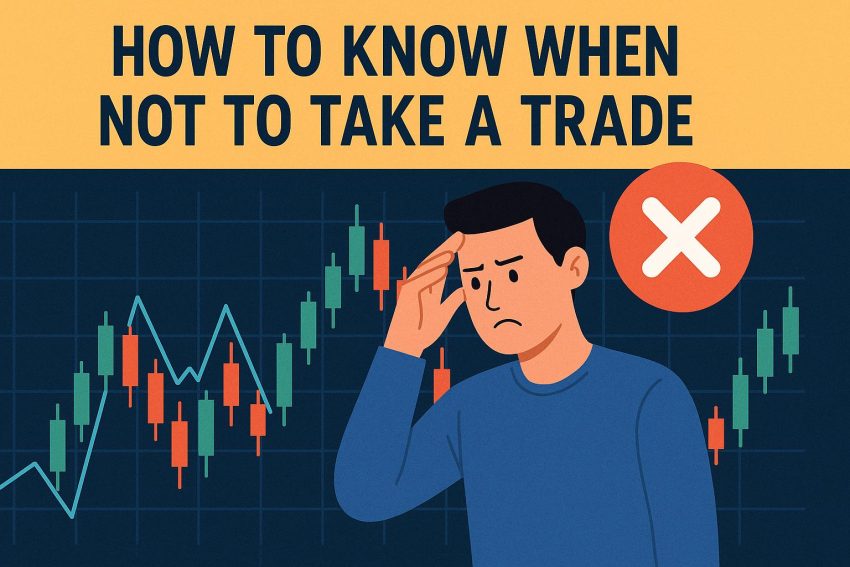
How to know when not to take a trade
Understanding Market Conditions Understanding current market conditions is a foundational aspect of making informed trading decisions. Monitoring key factors such as market trends, volatility, and liquidity is crucial as they can significantly impact the potential success or failure of a trade. For instance, if the market is experiencing high volatility, this condition could either pose…