

Understanding Overtrading
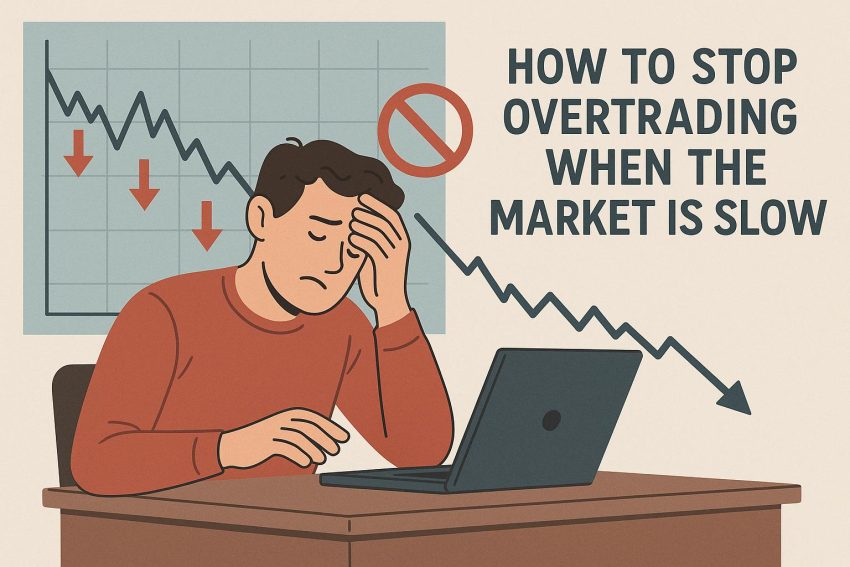
Overtrading is a common pitfall that traders encounter, particularly when operating without a concrete strategy or plan. It refers to the excessive buying and selling of assets, often due to emotional drivers rather than logical and analytical decision-making. This type of behavior can be detrimental in multiple ways, impacting both financial outcomes and mental well-being. Notably, it can result in heightened transaction costs, mounting stress levels, and aggregate financial setbacks. This phenomenon tends to become more prevalent during periods when the market experiences a lull in activity. During these times, traders may feel an overwhelming urge to initiate trades, aiming to force opportunities that are not readily apparent in the existing market conditions.
Recognizing the Signs of Overtrading
Identifying overtrading is the first step toward mitigating its effects. Understanding the symptoms can aid traders in preventing this practice. Some key indicators include frequent and rapid changes in positions, a high volume of transactions that lack correlation to a strategic plan, and a tendency to trade merely for the sake of being active rather than adhering to a predefined trading approach. These behaviors signal a drift towards overtrading and warrant immediate attention and corrective action.
Strategies to Prevent Overtrading
There are various strategies traders can employ to curb the inclination to overtrade, particularly when the market displays minimal fluctuations.
Stick to a Trading Plan
A fundamental method in combating overtrading is the strict adherence to a well-constructed trading plan. This plan should clearly define entry and exit strategies, establish risk management guidelines, and outline trade sizes that fit within acceptable risk parameters. A structured framework like this serves as a disciplined guidepost, mitigating impulsive decisions spurred by short-term market volatility and emotional highs and lows.
Set Specific Trading Goals
Goals that prioritize quality over quantity are instrumental in preventing overtrading. Traders should develop weekly or monthly objectives that focus on achieving particular profit margins or limiting the number of trades to a reasonable amount. Such goals provide a check on imprudent trading activity and ensure that every trade made is backed by sufficient justification and analysis.
Improve Market Analysis Skills
Developing robust analytical skills is essential for making informed trading decisions. Traders should invest time in regularly evaluating market data and trends using both technical and fundamental perspectives. Continuous learning through advanced courses or workshops can significantly enhance analytical competencies, enabling traders to better interpret market conditions and make sound judgments.
Utilize Technology and Automation
Technological advancements provide tools that can greatly bolster trading discipline. Software and automated trading systems allow traders to execute predetermined strategies efficiently. Algorithmic trading systems, for instance, maintain strict adherence to outlined strategies, minimizing human error and emotional interference. Additionally, setting up alerts for specific market conditions keeps traders focused on the market without resorting to unnecessary trades.
Practice Patience
Cultivating patience is critical during periods of slow market activity. Traders should resist the temptation to trade out of boredom or the fear of missing out on potential opportunities. Instead, these slower periods are best utilized for conducting thorough market analyses, interpreting market signals effectively, and preparing strategically for times when market activity resumes.
Take Regular Breaks
Taking regular breaks is vital in maintaining mental acuity and preventing burnout. These breaks offer traders a chance to refresh their mental and emotional state, allowing them to return to trading with a clear mind and renewed focus. Stepping away from trading activities periodically can recharge motivation and provide a fresh perspective on market conditions.
By implementing these strategies, traders can effectively avoid the traps of overtrading, fostering a disciplined and structured approach to trading activities. These methods not only assist in mitigating the risks associated with excessive trading but also contribute to the sustainability and overall success of trading endeavors. For those seeking further guidance, exploring trustworthy trading platforms and educational sources can provide additional insights and resources.