

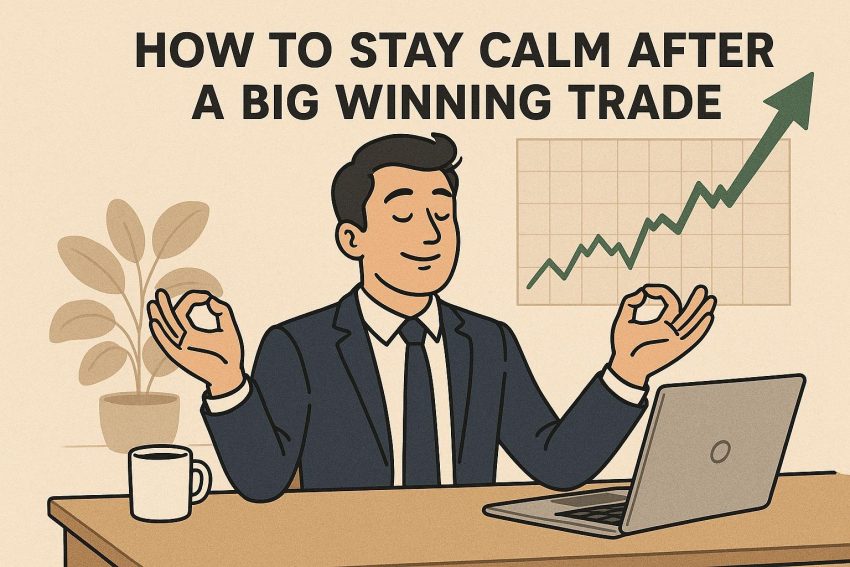
Understanding the Importance of Staying Calm
In the fast-paced world of trading, emotional discipline plays a crucial role not just in achieving success but also in sustaining it. One of the common experiences among traders is the surge of excitement that accompanies a big win. However, this emotional high can be a double-edged sword. While it is natural and healthy to feel good about your achievements, it is equally important to maintain composure to ensure continued success in trading.
The stock market is an intricate entity that operates on both predictable patterns and unpredictable shocks. Thus, a trader must be adept at managing not just their intellectual understanding of the market but also their emotional reactions. The high-stakes environment of trading requires more than just analytical skills; it demands a steady emotional balance that helps traders navigate through market fluctuations without succumbing to impulsive actions.
Emotional Regulation in Trading
Effective trading involves both a clear mind and well-managed emotions. Emotional regulation is critically important because it enables traders to make decisions based on logic and strategic thinking rather than on momentary passions or fears. After securing a successful trade, emotional regulation should involve a conscientious assessment of one’s feelings, enabling a shift from short-lived euphoria to focused planning.
Emotions like excitement and overconfidence following a profitable trade can cloud judgment, leading potentially to reckless actions. Therefore, developing skills to regulate emotions helps in maintaining a balanced emotional state, which is crucial for executing strategic decisions in the market. By acknowledging feelings but not being governed by them, traders can maintain clarity in their decisions.
Adopting a Healthy Mindset
Fostering a healthy mindset involves recognizing that every trade, whether a victory or a loss, is a step in your larger journey. This perspective keeps you grounded and prevents you from overemphasizing either success or failure. Treating trading as a learning process rather than a series of isolated events allows for growth and adaptation.
This mindset encourages traders to remain analytical even in situations that might seem emotionally charged. Understanding each trade as a node in the expansive network of your trading career helps in keeping the ego in check and fosters humility, which is essential for long-term growth. By analyzing both successful and unsuccessful trades, traders become better equipped to anticipate future challenges and opportunities.
Strategies for Maintaining Composure
There are several practical strategies that traders can employ to maintain composure amid the emotional highs and lows of trading. One effective approach is to incorporate relaxation techniques into your regular routine. Techniques such as mindfulness, meditation, or deep-breathing exercises can help in centering your mind and redirecting focus from emotions to logical reasoning.
Engaging in such practices regularly helps in honing emotional intelligence, leading to better self-awareness, which is crucial in stress management. By dedicating time to these exercises, traders cultivate a habit of reflecting and resetting, which is invaluable in maintaining emotional equanimity. Over time, these practices can become second nature, ensuring that the trader remains composed in various market conditions.
Another technique is the establishment of pre-determined trading plans and sticking to them. These plans serve as roadmaps and provide guidance during times of emotional upheaval. By having clearly defined entry and exit points and risk management strategies, a trader can avoid being swayed by emotions or market noise.
Continuous Learning and Improvement
The path of trading is one of continuous evolution. Viewing your recent successful trades as learning opportunities is vital for sustainable growth. Delving into a debriefing process allows traders to dissect the trade, identifying what worked well and what could be improved. This analysis paves the way for replicating successful strategies and learning from any missteps.
Reflect on the methodologies used, Did the trade follow your set strategy? Were there any external factors that influenced the outcome? These questions are pivotal in understanding the dynamics that drove the success. This phase is not about over-celebrating success but about mining it for insights that contribute to better-informed future decisions.
Moreover, always be open to gaining knowledge from reputable resources. Websites like Investopedia or specialized financial blogs can provide a treasure trove of information on strategies and emotional management techniques. Learning shouldn’t only come from personal experiences but also from the broader body of knowledge accumulated in the trading community.
In conclusion, staying calm plays a pivotal role in effective trading. It is essential for traders not just to analyze their successes and failures but also to regulate their emotional responses to them. Through diligent practice of emotional regulation strategies, the adoption of a learning-oriented mindset, and continued education, traders can improve their craft and maintain stability even in tumultuous market conditions.